घर की छत पर सोलर बिजली लगाने से बचत ही बचत
घर की छत पर सौर ऊर्जा से बिजली उत्पादन कर अतिरिक्त बिजली सरकार को बेच कर बचत भी की जा सकती है। pic.twitter.com/u4XKsgufEN
— Piyush Goyal (@PiyushGoyal) June 28, 2016
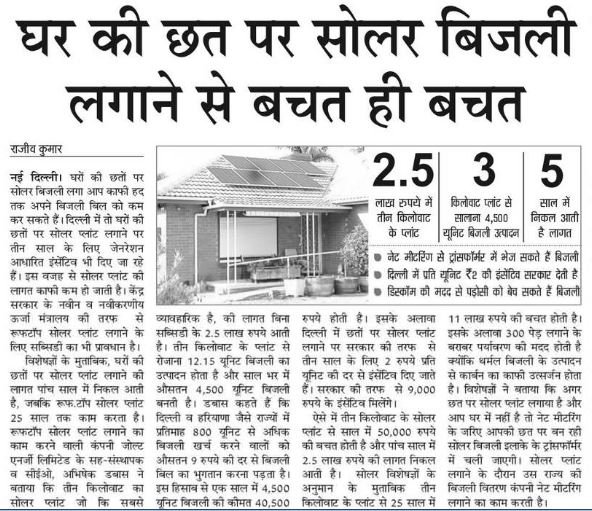

घर की छत पर सौर ऊर्जा से बिजली उत्पादन कर अतिरिक्त बिजली सरकार को बेच कर बचत भी की जा सकती है। pic.twitter.com/u4XKsgufEN
— Piyush Goyal (@PiyushGoyal) June 28, 2016
If you’d like to use solar power in your home but can’t put panels on your roof, help may be on the way. Over the past few months, several states passed legislation to support the concept of community solar, which gives homeowners the chance to use solar instead of conventional power.
Community solar allows consumers to share solar power from a common system with other consumers. The source of the solar power can be owned by municipal utilities, independent solar developers, a group of homeowners or businesses, or community and nonprofit organizations such as electric co-ops. There are various models in which such projects are operated and billed — participants can own, lease or subscribe to a specified number of panels or a portion of the system and typically receive electricity or monetary credits in proportion to their share of the project. Consumers who opt for community solar continue to work with their utility, but sign on for solar in addition to conventional energy.
Today, there are about 15.8 million homes in the U.S. that have the potential to go solar, according to GTM Research, the research arm of energy media company Greentech Media. Only a sliver of these homes have installed rooftop solar power systems. About 49% of American households wish to go solar but can’t because they don’t have the right kind of roof to host solar panels, they don’t own the houses they live in, or can’t afford to invest in the systems, which may take about four years to pay back, according to the National Renewable Energy Laboratory, a Colorado-based government institution that conducts research and development in renewable energy and energy efficiency . The solution? Community or shared solar, the segment that experts believe will drive the solar market over the next few years, as more states in the country pass legislation to support it. Read More…
Tesla Motors has offered $2.9 billion to acquire SolarCity in a bid to combine clean energy business efforts, as shareholder balk at the potential deal. Bloomberg’s Matt Miller reports on “Bloomberg .” Read More…
SolarCity Corp (NASDAQ:SCTY) has struggled to live up to its own expectations for most of the last year and it’s showing in the company’s stock price. The former market darling has lost nearly two-thirds of its value and investors are now wondering what its future looks like. A new loan product launched this quarter could tell us a lot about the future of residential solar and how SolarCity fits in that future.
Saving customers more money -Solar leases, often known by their other name “power purchase agreements”, both terms describing an arrangement where a customer pays for solar energy over the course of 20 years or more, have been the dominant financing method in residential solar over the past five years, but that may be ending. Solar loans, where the customer actually buys solar panels with a loan, provide a lot of benefits that leases can’t.
They don’t like advertising it, but SolarCity and Vivint Solar (NYSE:VSLR) normally charge increasing prices over time, meaning over the course of 20 years the cost of a kWh of energy could nearly double. If electricity prices don’t rise at the same rate or faster the cost of solar could be underwater by the end of the contract. Read More….
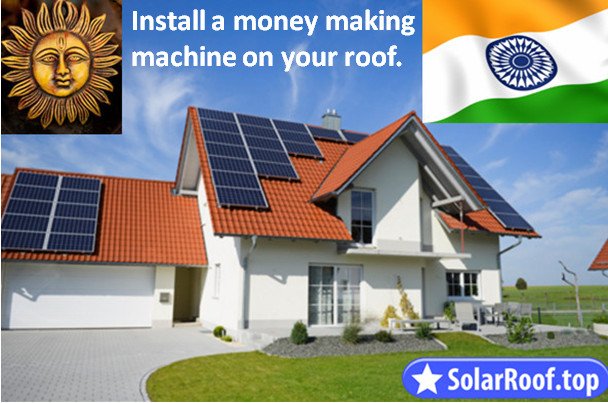


The world’s growing fleet of solar panels generated a third more electricity in 2015 than a year earlier, making power captured from the sun the world’s fastest growing source of energy, according to BP Plc.
Solar generation grew 33 percent, with China overtaking the U.S. and Germany as world leader in 2015, BP said in its 65th annual statistical review into world energy published on Wednesday. The London-based oil company exited from solar in 2011 after 40 yearsin the business.
“Sharp cost reductions have gone hand-in-hand with rapid growth in renewable energy. Solar power production has increased more than 60-fold in 10 years, doubling capacity every 20 months,” said Spencer Dale, BP chief economist, in a speech that also predicted continued falls in the costs of solar. Get a quote for a Solar rooftop system Read More…
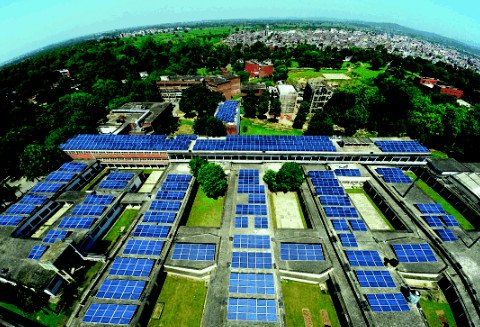
Ministry of New and Renewable Energy (MNRE) Government of India
On 7th June, 2016 at 3.00 PM at Plenary Hall, Vigyan Bhavan, New Delhi
– Inauguration by –
Shri Piyush Goyal (Minister of State for Power, Coal and New & Renewable Energy)
– In august presence of –
Shri P.K. Sinha (Cabinet Secretary Govt. of India)
Dr. P.K. Mishra (Additional Principal Secretary of Prime Minister of India)

Get a quote for a Solar rooftop system
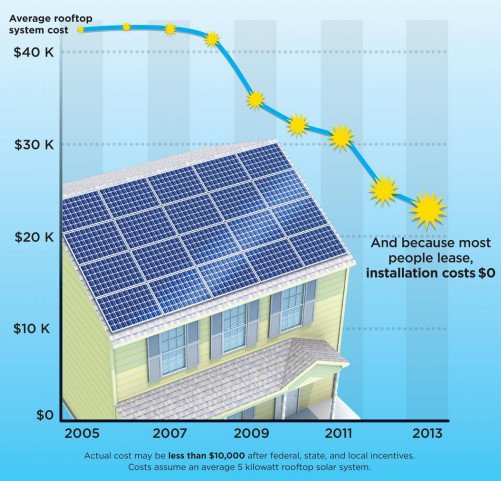
Infographic: Affordable Rooftop Solar in the United States
Since 2007, the cost of installing an average-sized rooftop solar system has nearly halved. In fact, after accounting for tax credits, rebates, and other support, in leading states a 5 kilowatt system could cost homeowners less than $10,000.
Many homeowners have the option of leasing, potentially paying nothing for installation and instead paying ongoing monthly fees. Read More… Union of Concerned Scientists